
Snow Glare and UV Exposure: Protecting Your Eyes During New Hampshire Winters

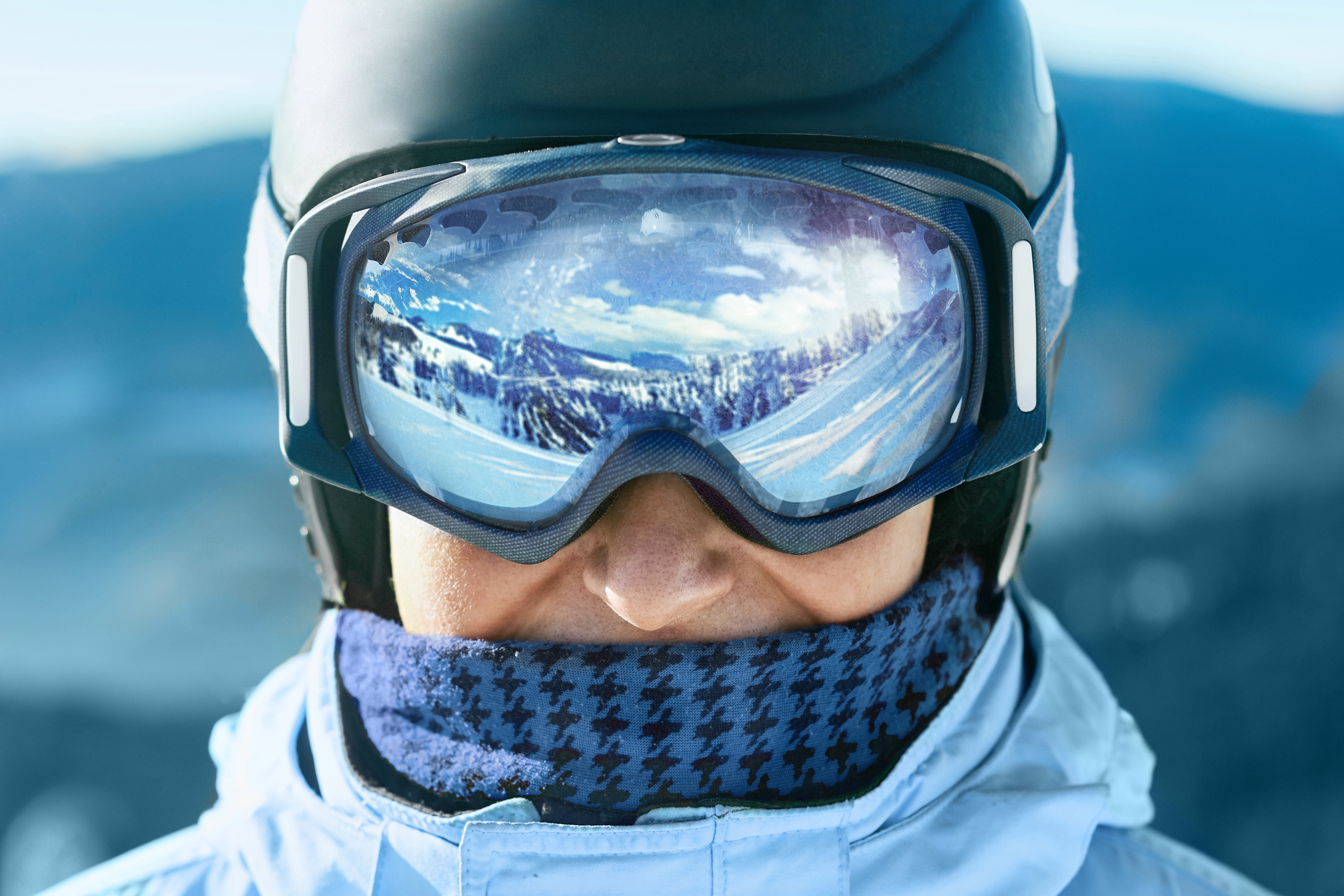
New Hampshire winters bring snow-covered roads, icy sidewalks, and bright sunlight reflecting off the landscape. Although temperatures drop, ultraviolet (UV) rays remain a concern. Snow can reflect sunlight toward your eyes, increasing glare and UV exposure during everyday activities. At Reed Optical, we encourage patients in Claremont, Sunapee, and surrounding communities to make eye protection part of their winter routine.
Why Snow Glare Can Be So Intense
Snow reflects light rather than absorbing it, creating bright conditions that can make it difficult to see comfortably. Glare can be especially distracting when driving on snowy roads, walking outside, or participating in winter sports. The low angle of the winter sun can make these conditions more challenging.
Glare and UV exposure are related, but they are not the same. Glare affects visual comfort, while UV radiation can damage eye tissues even when the sky appears cloudy. Repeated exposure over time can contribute to eye problems such as cataracts and growths on the eye's surface.
Can Snow Glare Cause Snow Blindness?
Strong exposure to reflected UV rays can cause photokeratitis, commonly called snow blindness. This is a painful injury to the eye's surface, similar to a sunburn. Symptoms may develop several hours after exposure and can include redness, tearing, a gritty sensation, blurred vision, and sensitivity to light.
Snow blindness is more likely during activities involving extensive snow exposure, particularly at higher elevations. If you experience significant eye pain or vision changes after spending time outdoors, seek prompt eye care rather than assuming the symptoms will resolve on their own.
How to Choose Protective Winter Eyewear
The right eyewear can reduce discomfort while helping protect your eyes from harmful UV rays. We recommend considering the following features:
- 100% UV protection: Choose sunglasses labeled UV400 or offering 100% UVA and UVB protection.
- Polarized lenses: These can reduce reflected glare from snow and wet roads, but polarization alone does not guarantee UV protection.
- Wraparound frames: A closer-fitting design helps limit light entering from the sides and offers some protection from cold wind.
- UV-blocking ski goggles: For skiing, snowboarding, or snowmobiling, select goggles designed for the activity and its conditions.
- Children's sunglasses: Children also need properly fitted UV-protective eyewear during outdoor winter play.
A darker lens is not necessarily a safer lens. Check the UV protection label rather than judging sunglasses by tint alone.
Protecting Your Vision During Winter Activities
Keep appropriate sunglasses available for daytime driving, especially when sunlight reflects off snowbanks or wet pavement. Make sure your windshield is clean, and remove tinted eyewear when lighting conditions no longer allow safe visibility.
Cold wind and dry winter air can also contribute to eye irritation, particularly for people who wear contact lenses or already experience dry eye symptoms. Protective frames and suitable lubricating eye drops may improve comfort, depending on your needs.
If winter glare makes driving uncomfortable or your current eyewear does not provide adequate protection, an eye exam can help identify vision concerns and guide your lens choices.
For help selecting UV-protective eyewear for New Hampshire winters, visit Reed Optical in Claremont or Sunapee, NH, or call (603) 543-3125 to schedule an appointment.
Quick Links



MAP
Powered by: 